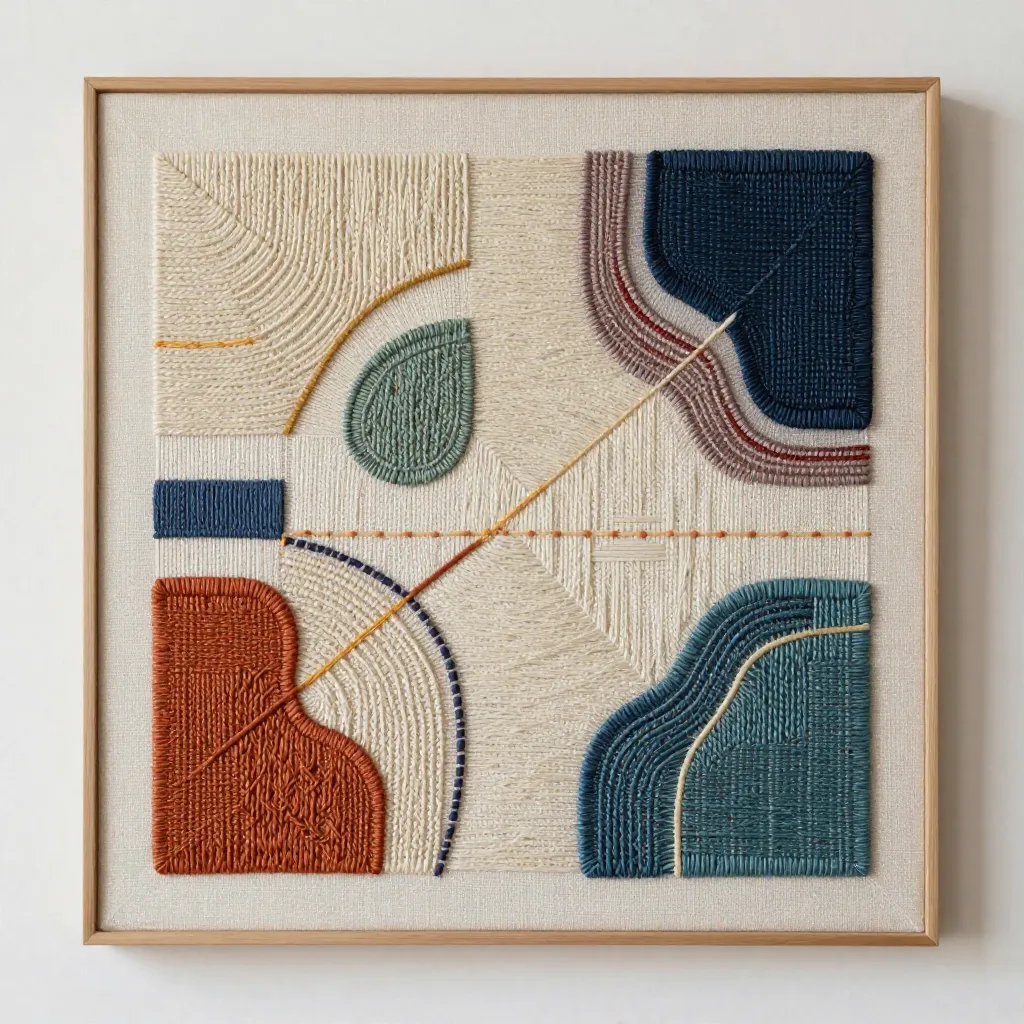
Interior Integration
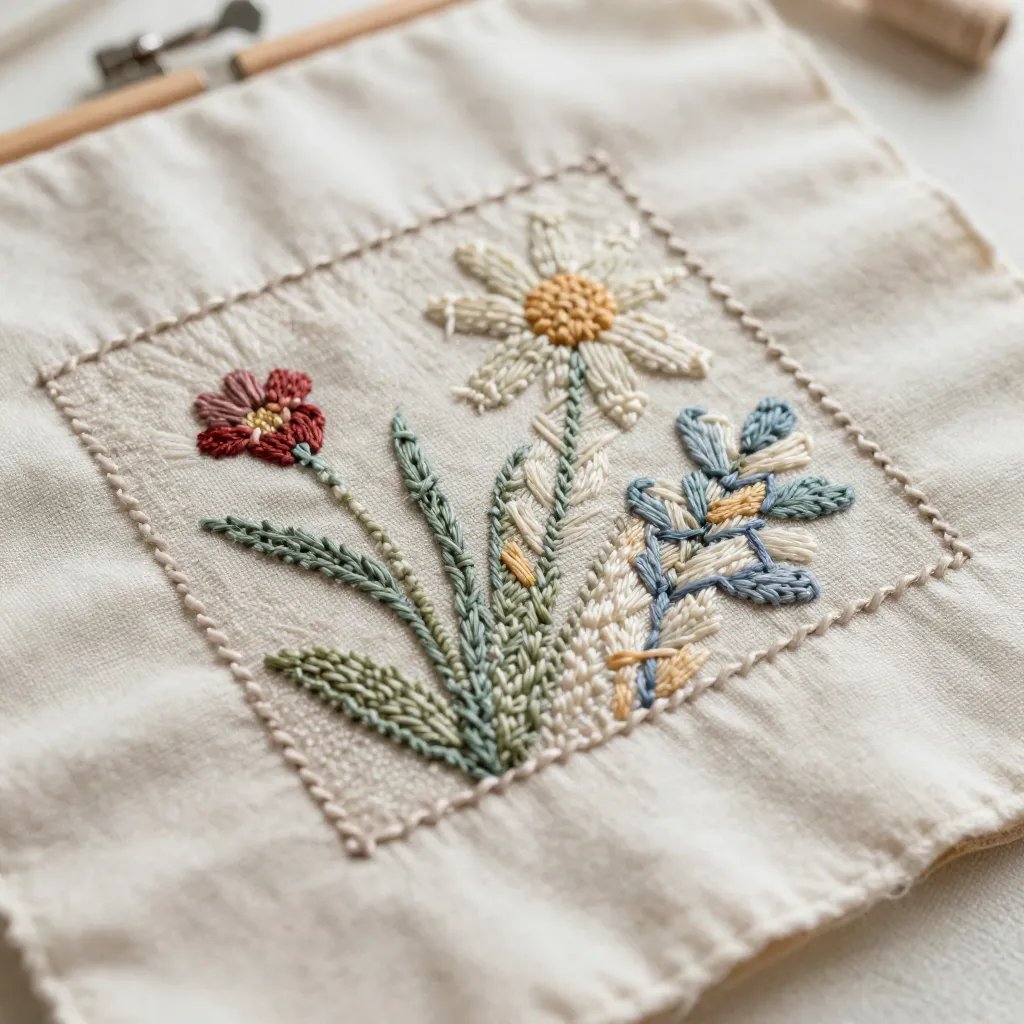
Wall Art Placement
Textile artworks offer unique visual qualities that complement various interior styles. The three-dimensional texture of embroidery creates depth and interest that flat prints cannot achieve.
When curating a gallery wall, consider the relationship between different pieces. Size, color palette, and composition all play roles in creating a cohesive display that enhances the overall space.
Display Considerations
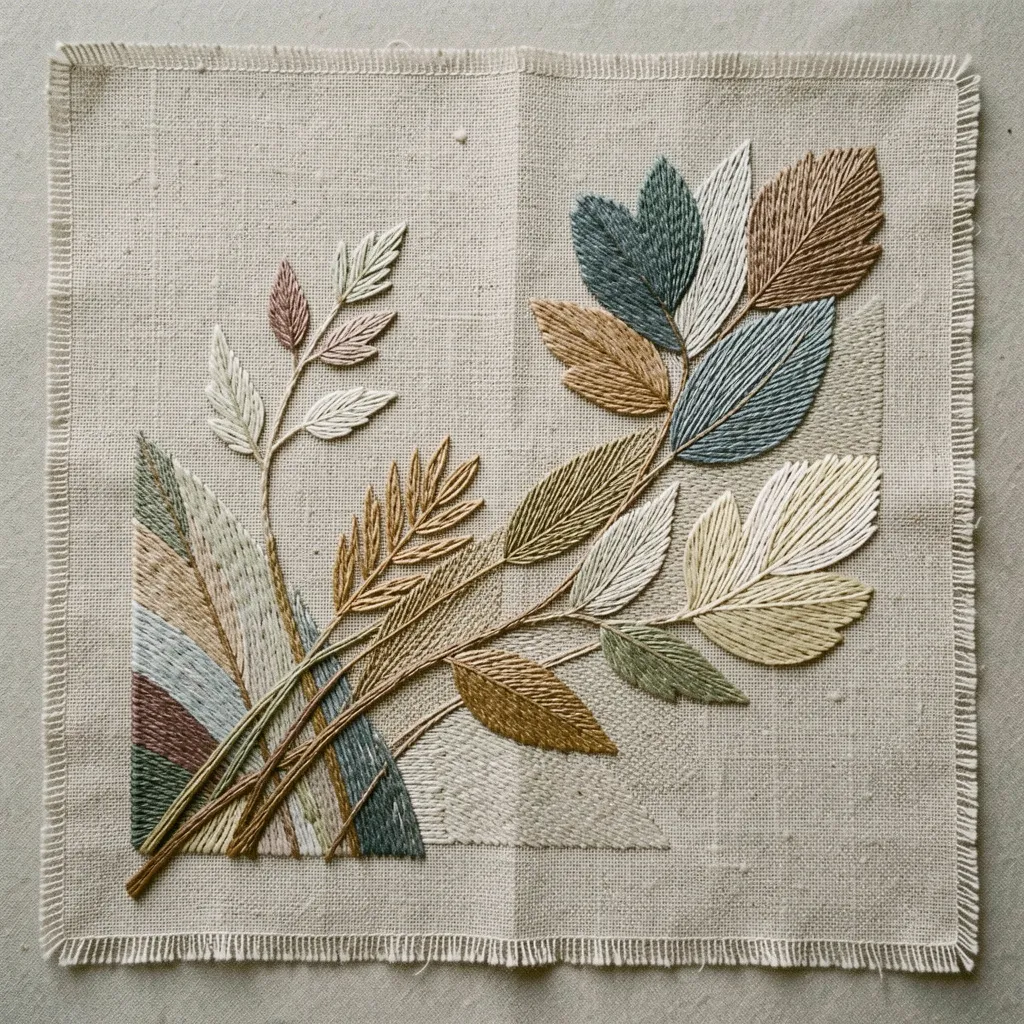
Solo Display
A single large piece can serve as a focal point, drawing attention and creating visual interest in a room. Consider placement relative to furniture and lighting.
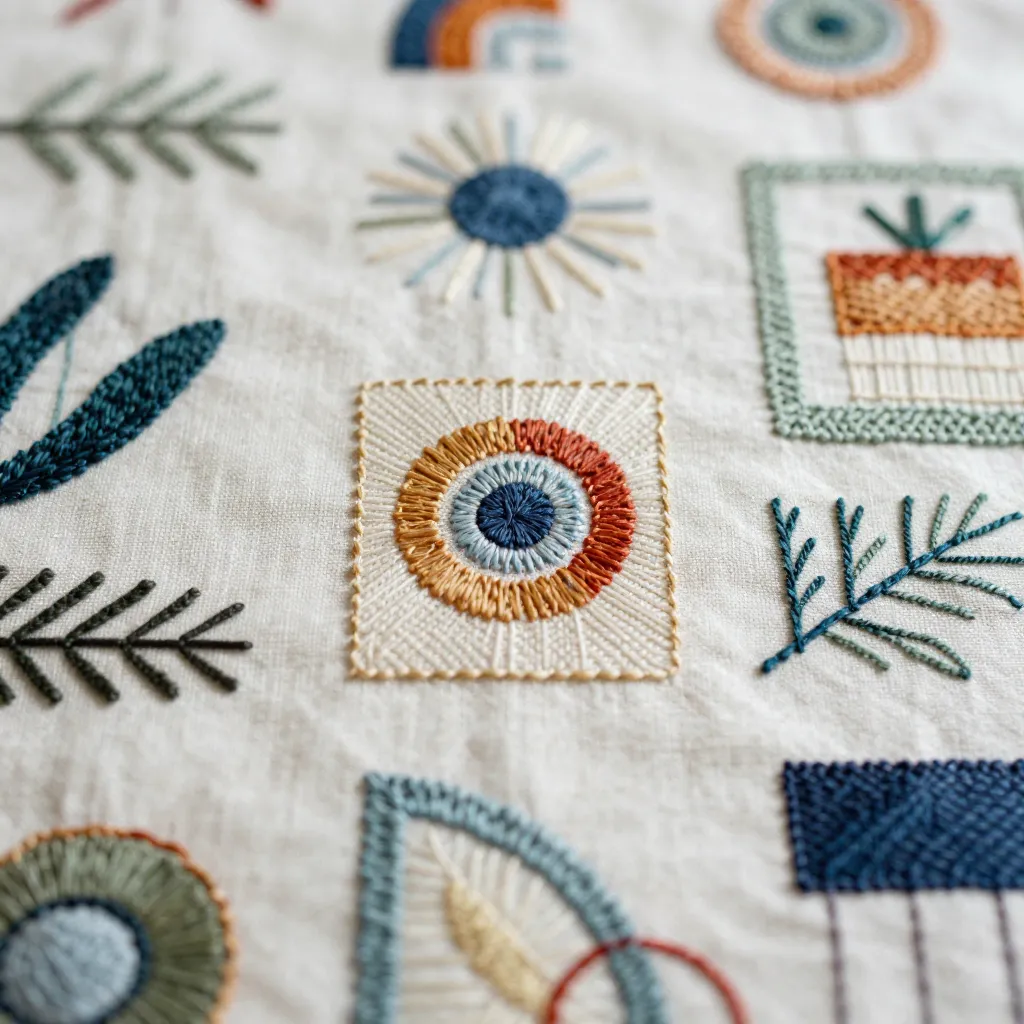
Grouped Arrangements
Multiple pieces can be arranged to create visual rhythm and balance. Consider spacing, alignment, and color relationships when grouping artworks.
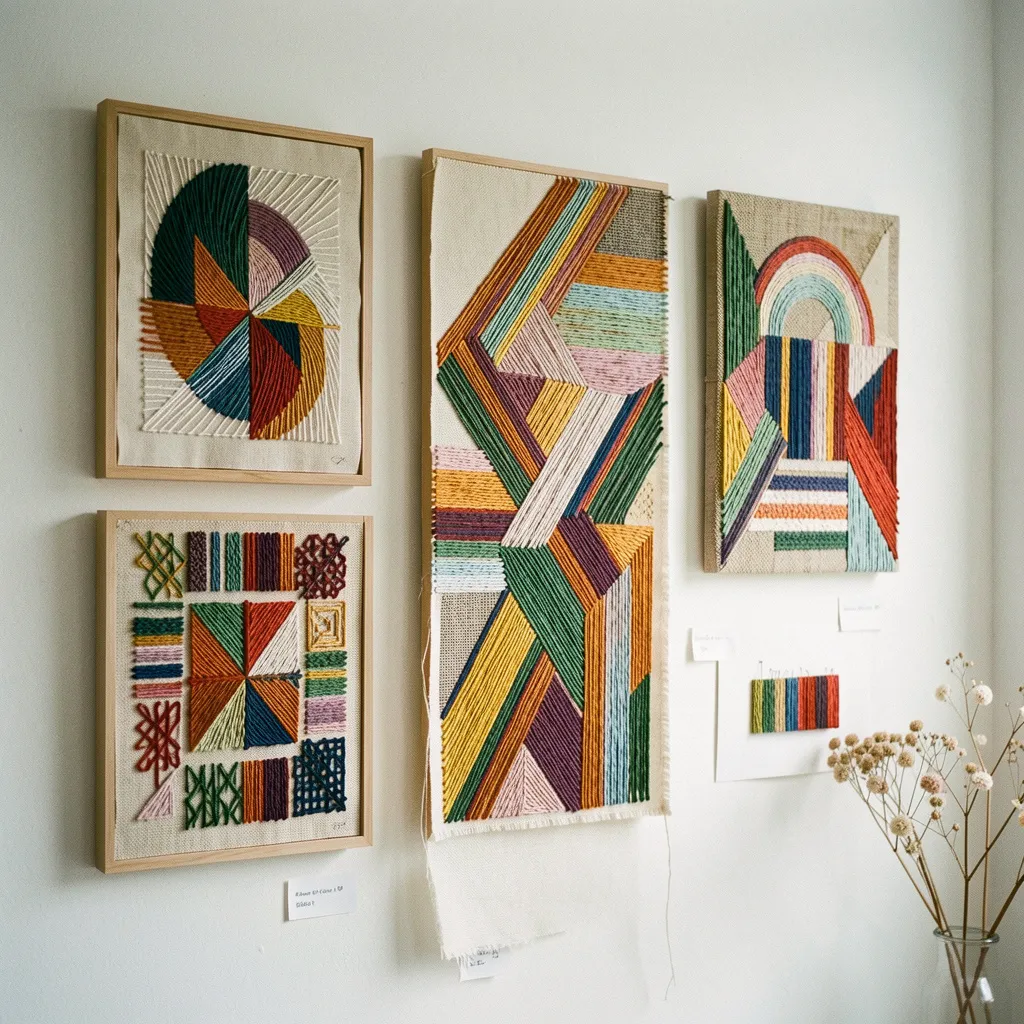
Mixed Media
Textile art pairs well with other wall decorations. Combining embroidery with paintings, prints, or photographs creates visual variety and depth.
Styling Approaches
Contemporary Minimalism
In minimalist interiors, textile art provides texture and warmth without overwhelming the space. Choose pieces with clean lines and restrained color palettes that complement the overall aesthetic.
Spacing becomes particularly important in minimalist settings. Allow each piece breathing room to maintain the sense of calm and order that defines this style.
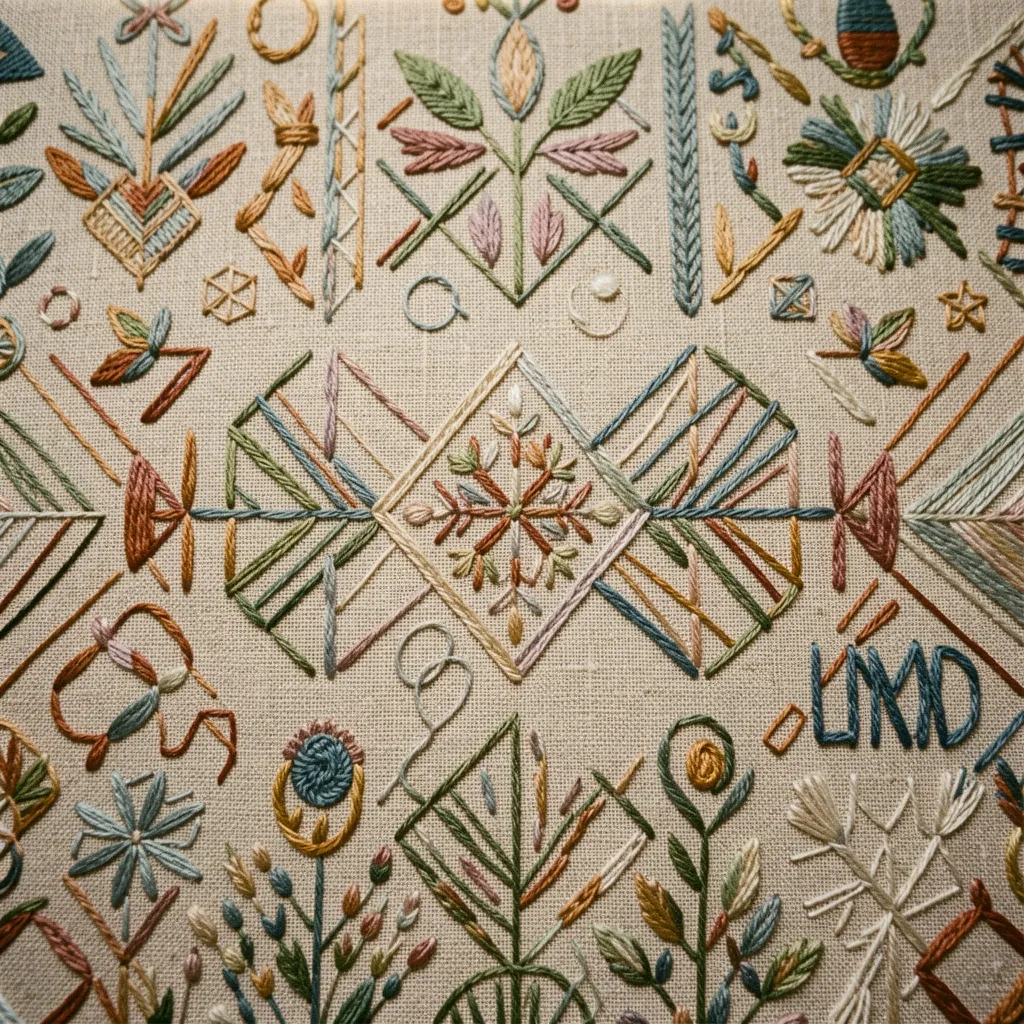
Lighting Considerations
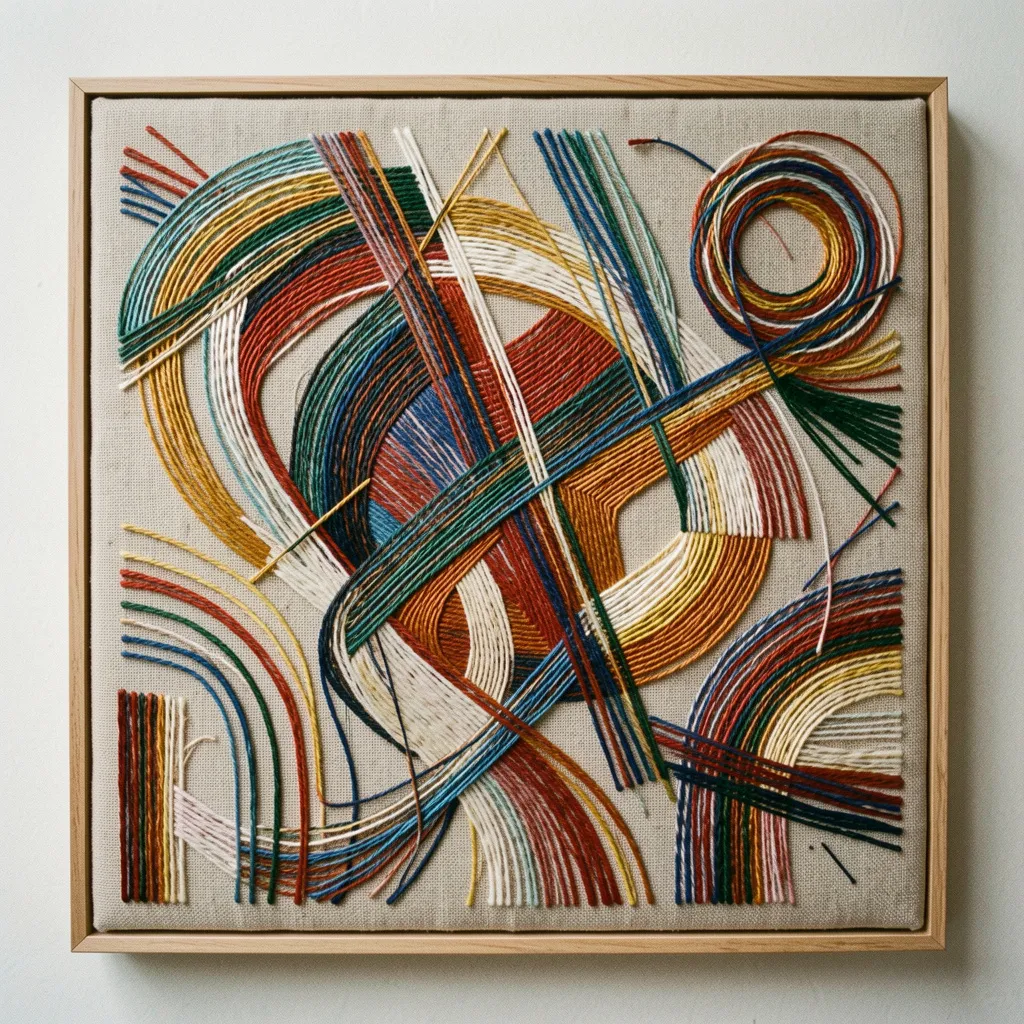
Natural and Artificial Light
Proper lighting enhances the texture and detail of embroidery work. Natural light reveals subtle variations in thread color and stitch direction.
When using artificial lighting, consider the angle and intensity. Soft, diffused light generally works better than harsh direct light, which can create unwanted shadows and glare.